
The Skin And Gut Microbiome: The Key To Radiant, Healthy Skin

In the pursuit of great skin, many of us turn to the latest active ingredients, treatments, and skincare trends. However, the secret to a glowing, resilient complexion may lie in an often-overlooked factor: the microbiome. Both our skin and gut microbiome play an essential role in maintaining healthy skin, and understanding their interplay is crucial. Holistic facial therapist Melinda McKee sheds light on the importance of nurturing these invisible ecosystems and how to support them for optimal skin health.
The role of the skin microbiome
Our skin is home to a diverse array of beneficial bacteria, fungi, and other microorganisms that collectively form the skin microbiome. This microbial community acts as a protective barrier, shielding our skin from harmful pathogens while also supporting the immune system and promoting healing. McKee explains:
“Made up of various types of good bacteria, the skin microbiome provides a barrier between the outer world and your inner world—mostly to stop the invasion of pathogens. But a flourishing set of microbes also limits inflammation and hastens healing.”
When this balance is disrupted—often due to excessive use of harsh skincare products, environmental stressors, or antibiotic treatments—skin conditions such as acne, eczema, and sensitivity can arise. The key to maintaining a healthy microbiome is ensuring the skin remains nourished rather than overly stripped by active ingredients.
“When skin is stripped back by many different active products, the variation in species and the amounts of each struggle to survive. We basically take away the fertile soil they were thriving in. Less of them obviously means less of their good work can be done,” says McKee. “Making sure the skin is always nourished is necessary. This will vary from skin to skin as to how much active product vs. nourishment is necessary, but all skins need nourishment far more than they need actives.”
The gut-skin connection
While topical skincare is important, achieving clear skin starts from within. The gut microbiome — comprising trillions of bacteria and microorganisms — plays a significant role in skin health. An imbalanced gut can lead to systemic inflammation, poor nutrient absorption, and exacerbation of skin conditions like acne, rosacea, and psoriasis.
Registered Nutritional Therapist and chronic skin condition specialist, Eleanor Hoath says: “I see a lot of systemic skin conditions in clients who are only working with the topical solutions, but I encourage them to look beyond the skincare and the parallels that are happening internally. Conditions such as acne can often be a side effect of an overburdened liver or poor detoxification pathways. Similarly, I see the link in eczema being often down to a histamine issue that is rooted within the gut lining.”
McKee highlights the importance of a holistic approach – “Consider your gut microbiome just as much as your skin’s microbiome. The outer (skin) will struggle to be happy if the inner (gut) isn’t functioning well.”
Incorporating probiotic-rich foods like yoghurt, kefir, sauerkraut, and miso into your diet can help foster a balanced gut microbiome. Likewise, prebiotic foods, such as garlic, onions, and bananas, provide nourishment for beneficial bacteria, helping them thrive.
Do topical probiotics work?
The idea of applying probiotics directly to the skin has gained popularity, but McKee remains cautious about their efficacy.
“There’s not a lot of research in this area. What has come up is how difficult it is to house live cultures and keep them alive in the products you are purchasing. They have ‘derivatives’ like most ingredients, so it could be a ferment of a certain microbe rather than a live culture. The skin will receive this as a ‘watered down’ version, meaning it won’t be as fast-acting.”
While some probiotic-infused products may offer benefits, focusing on feeding the microbiome with gentle, nourishing ingredients is likely a more reliable approach.
The Biomimetic Science approach to skin
A growing area of skincare research is biomimetic science, which focuses on creating formulations that mimic the natural processes and structures of healthy skin. Biomimetic skincare works with the body’s biology rather than against it, helping to restore balance to the skin microbiome while strengthening the skin barrier.
By using ingredients that replicate the skin’s natural lipids, proteins, and hydration mechanisms, biomimetic skincare can support the microbiome without disrupting its delicate ecosystem. This approach is particularly beneficial for those with sensitive or compromised skin, as it encourages healing and resilience. Biomimetic formulations often include ceramides, fatty acids, and peptides that work in synergy with the skin’s natural defence systems.
Final thoughts
Achieving great skin isn’t just about what we apply externally—it’s also about supporting the delicate balance of bacteria both inside and out. By prioritising microbiome health through gentle skincare, biomimetic science, nourishing products like those from AWVI, and a gut-friendly diet, we can cultivate clear, resilient skin that truly thrives.
Further reading: Stem Cell Skincare: A Revolution In Beauty And Anti-Aging
Further reading: Explaining The Comeback Of Tallow In Skincare
Further reading: Red Light Therapy For Skin Conditions
Further reading: Lycopene For Skin: How This Antioxidant Supports Natural Tanning And Protects Against Sun Damage

You already take all three. You're probably using the wrong form of each.
Amino acids, electrolytes, an antioxidant — you cover them. The question is whether the form you use actually gets used.
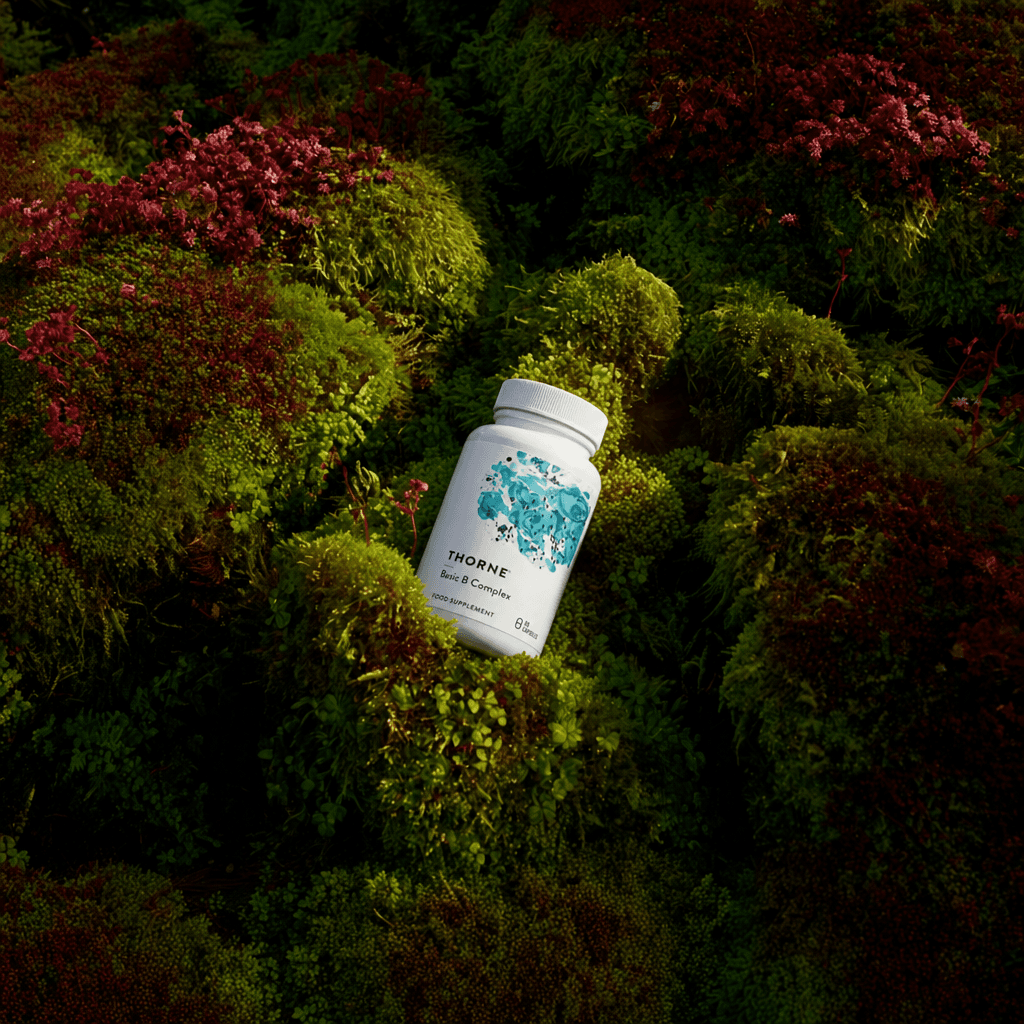
You don't have an energy problem. You have a conversion problem.
The B vitamin question most people get wrong — and why "active forms" actually matter.

Creatine For Women: What To Know Before You Start
Experts explain the benefits of creatine for women, including better mood, more strength, and less fatigue. Here's the science.