
Lycopene For Skin: How This Antioxidant Supports Natural Tanning And Protects Against Sun Damage
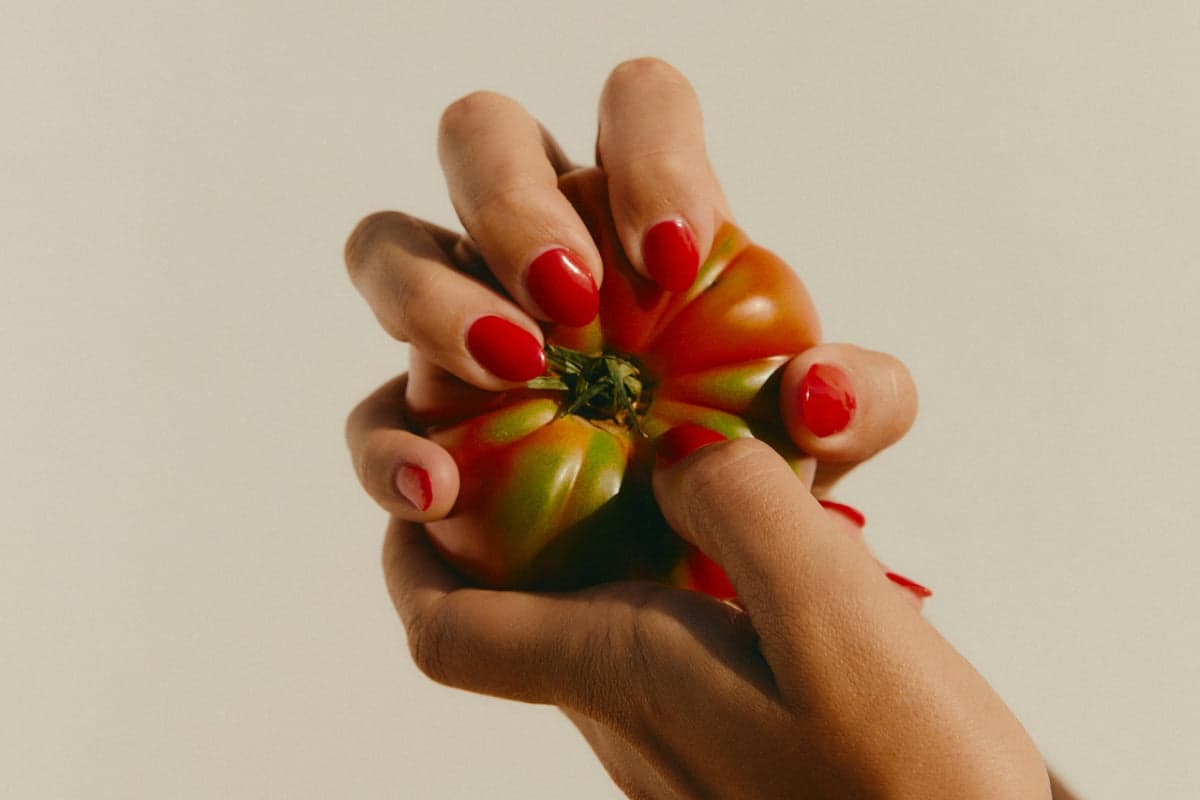
Ask any skin-savvy nutritionist which antioxidant they quietly swear by, and you’ll likely hear one word whispered more and more: lycopene.
Often overshadowed by better-known names like vitamin C or zinc, lycopene is finally enjoying a moment in the spotlight - and with good reason. This deep red plant pigment, found in tomatoes, watermelon, pink grapefruit and guava, is a potent antioxidant that plays a vital role in supporting skin resilience, radiance, and even our ability to tan more safely and evenly.
As someone who works with clients to heal their skin from the inside out, I’ve come to see lycopene not just as a nice-to-have, but a foundational nutrient - especially during the spring and summer months when we’re spending more time in the sun.
So, what exactly is lycopene?
Lycopene is a type of carotenoid - a family of naturally occurring pigments responsible for the bright red, orange and yellow hues of many fruits and vegetables. Unlike beta-carotene, which the body converts into vitamin A, lycopene doesn’t convert. Instead, it acts as a powerful antioxidant in its own right, helping to neutralise reactive oxygen species (ROS) — unstable molecules that cause damage to cells and contribute to inflammation and premature ageing.
What makes lycopene stand out is its particular affinity for the skin. It accumulates in our skin cells and appears to provide a layer of protection against UV-induced oxidative stress, meaning it can support the body in managing the inflammatory response to sun exposure. It doesn’t replace sunscreen, but it certainly helps reinforce the skin’s natural defences.
Lycopene and UV protection: the science
Emerging research continues to support the idea that a diet rich in lycopene may help the skin become more tolerant of sunlight. One small but well-designed study, published in the British Journal of Dermatology, found that participants who consumed tomato paste daily (a concentrated source of lycopene) had significantly less UV-induced redness compared to those who didn’t. In essence, their skin had a higher "minimal erythema dose" - the amount of sun exposure needed to start causing redness or burning.
This doesn’t mean you can eat your way out of sun damage, far from it. But it does point to the power of nutritional preparation when it comes to skin resilience. Lycopene essentially acts as a biological buffer - helping to modulate the body’s inflammatory response to UV and limit oxidative damage to skin cells.
Can lycopene help you tan?
If you’re someone who burns easily or struggles to achieve an even tan, lycopene could become your secret weapon. By enhancing the skin’s antioxidant defences and reducing inflammation, lycopene supports a more balanced melanin response. This can help promote a more even, golden-toned tan rather than the blotchy, red-then-peeling kind so many of us dread.
It’s important to note that tanning is a stress response: when skin is exposed to UV, it increases melanin production to protect underlying cells from damage. That’s why a healthy tan always begins with healthy skin and lycopene plays a central role in this. In clinic, I’ll often suggest my clients increase their intake of lycopene-rich foods or consider a high-quality supplement during the summer months, ideally beginning 4–6 weeks before significant sun exposure (such as a holiday or extended time outdoors).
Food sources of lycopene
While raw tomatoes contain lycopene, it’s far more bioavailable when cooked. Heat actually changes the structure of lycopene, making it easier for the body to absorb. That’s why tomato paste, tomato purée and slow-cooked sauces are particularly effective sources.
Here are a few of my favourite ways to get more lycopene into your daily routine:
- A spoonful of tomato purée stirred into soups or stews
- Watermelon and pink grapefruit in smoothies or summer salads
- Homemade shakshuka or ratatouille made with plenty of olive oil (which also helps absorption)
- Guava juice or guava fruit with lime and sea salt
For therapeutic purposes - especially when aiming to boost skin resilience - you may want to consider a lycopene supplement. Look for one that is combined with natural oils to aid absorption, and always take it with a meal that contains fat.
Skin, sun, and a root cause approach
As with any skin strategy, it’s never about one single ingredient. Lycopene is a powerful player, yes but it works best as part of a nutrient-rich, anti-inflammatory approach that supports the skin from all angles. That includes omega-3s for cellular fluidity, vitamin E for barrier function, and polyphenols from berries and green tea to support the microbiome and immune response.
From a root cause perspective, we’re always asking: what’s driving the skin’s vulnerability? Is it a lack of antioxidants? Poor detoxification? Gut imbalance? Low essential fats? The beauty of lycopene is that it supports multiple systems not just the skin, but also the liver, heart, and cellular membranes.
What I love most about lycopene is how quietly effective it is. It doesn’t promise overnight results, but when used consistently especially as part of a seasonal skin protocol it builds up a reserve of protection that you feel. Clients often report less burning, less redness, and a healthier post-sun glow that lasts far longer.
A word on supplementation
If you're looking to go the supplement route, always opt for brands that prioritise bioavailability and quality. Some of my go-to lycopene supplements are paired with astaxanthin or lutein for a synergistic antioxidant effect, which can further benefit skin tone, elasticity and hydration.
Start low, build up gradually, and monitor how your skin responds over a few weeks. If you're already working with a practitioner, they can help you personalise your plan based on your skin type, sun exposure, and wider nutritional needs.
Summarising lycopene
Lycopene may not have the same mainstream buzz as collagen or vitamin C — but for those in the know, it’s one of the most intelligent additions to any summer skin strategy. Whether you’re prepping for a holiday, supporting post-inflammatory pigmentation, or simply looking to build more skin resilience over time, this humble red pigment packs an impressive punch.
In my clinic and my own life, lycopene is a staple. It’s skin food at its best: simple, evidence-based, and deeply supportive of the body’s natural rhythm and radiance.
Further reading: ‘The Fountain Of Youth’: The NAD Obsession For Anti-Ageing And Longevity
Further reading: Stem Cell Skincare: A Revolution In Beauty And Anti-Aging
Further reading: The Skin And Gut Microbiome: The Key To Radiant, Healthy Skin
Further reading: The Science Of Polynucleotides And Anti-Ageing