
The Science Behind LYMA Laser: Tackling Pigmentation And Acne Scarring

In recent years, red light therapy (RLT) and low-level laser therapy (LLLT) have garnered attention in the skincare world for their reported benefits in improving skin tone, texture, and treating various skin conditions like pigmentation and acne scarring. Among the standout products in this realm is the LYMA laser, which claims to offer revolutionary results. But what does science say about its efficacy? Healf’s Editor, Eleanor Hoath dives into the research as well as trialling the product to put the laser light to the test.
What is the LYMA Laser?
The LYMA laser is a handheld, at-home device that utilises low-level laser therapy (LLLT) to treat the skin. Unlike traditional red light therapy, which penetrates the skin to a shallow depth, the LYMA laser operates at a 500mW power output and a wavelength of 808nm. This enables the laser to penetrate deeper into the skin, targeting the dermis and addressing more deep-seated issues such as pigmentation and acne scarring.
How LLLT and RLT Work
Red light therapy (RLT) and low-level laser therapy (LLLT) both stimulate cells at a mitochondrial level, increasing ATP production, which is the cell's energy currency. This boost in energy is shown to trigger a series of healing processes including promoting collagen production and accelerating tissue repair.
However, the distinction between LLLT and RLT is critical. While both operate within the red and near-infrared spectrum, LLLT is reported to use a more concentrated, coherent light, meaning it penetrates deeper than standard red light therapy. According to LYMA’s research, this deeper penetration allows for more precise targeting of skin issues like pigmentation, scars, and ageing signs.
LYMA Laser for Pigmentation
Scientific Backing and Efficacy
While low-level laser therapy has a solid foundation in scientific research, it’s essential to note that the LYMA laser’s specific efficacy for pigmentation and acne scars is still an emerging area of study. However, the broader body of research on LLLT is promising. A 2022 review published in *The New Scientist* pointed out that LLLT has shown measurable improvements in skin rejuvenation, wound healing, and the reduction of inflammation, which all play key roles in the treatment of pigmentation and scarring.
Furthermore, the LYMA laser's ability to stimulate fibroblasts in the dermis aids in collagen synthesis. This collagen-building process is crucial for both reducing the appearance of scars and preventing the formation of new scars from active acne.
Melinda McKee of Sated face, curates high-touch treatments based on 20 years of industry wisdom. She states - *“*In my eyes it’s about remodelling and rebuilding the skin with micro-needling, and following up with LED/LLLT to provide anti-inflammatory effects healing skin can then flourish in"
Benefits Beyond Scarring and Pigmentation
The LYMA laser isn’t limited to treating pigmentation and acne scars. Its benefits extend to general skin health and anti-ageing. The deep-penetrating light improves skin elasticity and firmness by stimulating the production of elastin and collagen, two essential proteins that decline with age. Additionally, the reduction in inflammation and redness makes it a suitable treatment for individuals with sensitive skin or conditions like rosacea.
Conclusion: Is the LYMA Laser Worth It?
The LYMA laser represents a new frontier in non-invasive skincare treatments, particularly for those struggling with pigmentation and acne scarring. Its use of low-level laser therapy, combined with deep penetration into the skin, offers a promising solution to common skin concerns without the need for aggressive treatments or downtime. While more research is needed to fully establish its efficacy in targeted conditions, the current science behind LLLT suggests that the LYMA laser could be a game-changer for at-home skincare.
For those looking for a non-invasive, scientifically-backed option to address pigmentation, acne scars, and overall skin health, the LYMA laser appears to be a worthwhile investment in the quest for healthier, clearer skin.
Further reading: From Hype To Healf : Using The 'Morning Shed' Care For Your Skin And Sleep
Further reading: Everything You Need To Know About Collagen Peptides
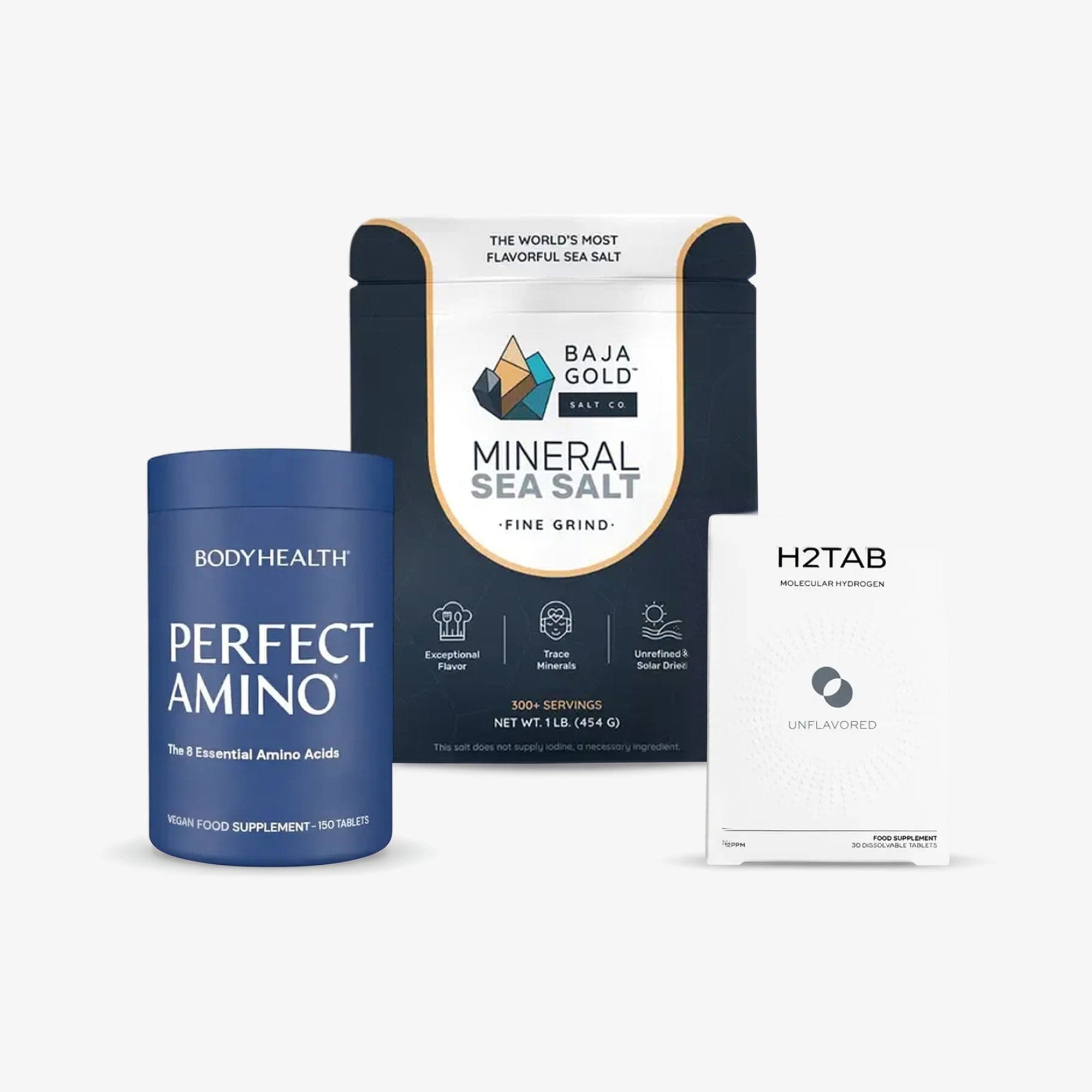
You already take all three. You're probably using the wrong form of each.
Amino acids, electrolytes, an antioxidant — you cover them. The question is whether the form you use actually gets used.

You don't have an energy problem. You have a conversion problem.
The B vitamin question most people get wrong — and why "active forms" actually matter.

Creatine For Women: What To Know Before You Start
Experts explain the benefits of creatine for women, including better mood, more strength, and less fatigue. Here's the science.