
Sport And UV Protection — The Sunscreen That Isn’t Seasonal
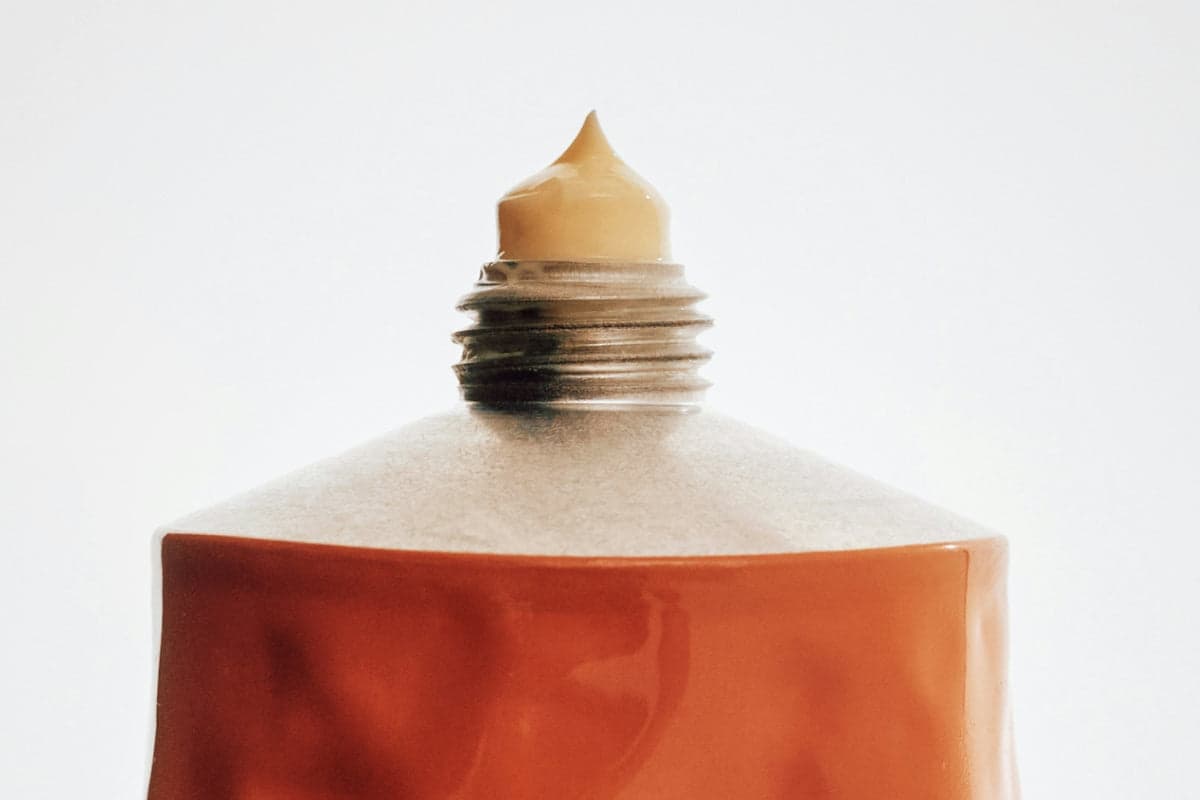
Outdoor sports demand extra protection — if skiing or running, SPF shields against premature ageing and skin cancer.
Sunscreen isn’t just for summer. UV rays penetrate clouds, reflect off snow, and cause skin damage year-round. For skiing, surfing, or simply running outdoors, daily SPF is essential for protection and healthy skin, both now and in later life. In this article, we give practical tips for staying protected in all seasons with non-toxic skincare.
The myth that is: “no sun, no damage”
When most people think of sunscreen, they envisage stretches of sun-drenched beaches and cloudless skies as far as the eye can see. Yet, the fact is UV rays don’t take a winter break.
So, if you find yourself skiing in the Alps, surfing on a crisp spring morning, or just out for a long walk on an overcast day in the UK, your skin is, unfortunately, still at risk. And the damage doesn’t always show up immediately in redness or blistering. It can be more insidious, more subtle. Wrinkles, pigmentation, and skin cancer risks accumulate silently, making daily SPF the single most effective step you can take to protect your skin long-term.
80% of UV rays penetrate through clouds
It’s easy to assume that if you can’t feel the sun, it’s not doing any harm. But The Skin Cancer Foundation notes that up to 80% of UV rays still reach your skin on cloudy days. What’s more, cold days also allow your skin to absorb that exposure, and in high-altitude conditions like skiing, for example, the risk is that bit higher. Snow and icy conditions reflect UV rays. This effect doubles your exposure and makes, not just glaringly obvious sunburns, but the long-term UV damage more likely to occur.
When to watch out for sun damage, in the UK
Whilst running, playing outdoor sports, or simply spending time outside on a grey afternoon, those rays are reaching your skin — whether you realise it or not. In the UK, the sun's UV rays are strong enough to damage skin from mid-March to mid-October. According to the NHS, the sun is strongest between 11 AM and 3 PM, when it's highest in the sky.
What makes a good year-round sunscreen?
So, if sunscreen is non-negotiable in every season, it needs to feel good on the skin and be good for you, too. A good sunscreen should be lightweight, breathable, non-greasy, and effective.
Designed for everyday wear, it offers broad-spectrum UVA and UVB protection without the thick, sticky feel of traditional sunscreens.
- Broad-spectrum UVA & UVB protection – because both types of UV rays cause long-term damage.
- PA++++ rating – provides extremely high UVA protection, meaning it protects you 16 times more than having no sunscreen.
- Lightweight, fast-absorbing texture – no heavy residue, and no white cast.
- Rich in antioxidants – including ginseng, apple, and peach extracts to shield against environmental stressors.
Step by step: protecting your skin in cold and cloudy weather
Remember that UV rays cut through clouds.
Reapplying sunscreen to the specifications of the manufacturers usually every two hours keeps your skin protected.
In the mountains, the air is thinner at higher altitudes, and it means that UV radiation is stronger.
Cold winds can strip moisture from your skin, leaving it dry and irritated. A sunscreen with added hydration helps lock in moisture while protecting against environmental aggressors.
Experts in slowing biological ageing think that sunscreen should be as automatic as brushing your teeth.
The bottom line
Sunscreen is not as seasonal or as circumstantial as popular perception makes it out to be. Regular sunscreen wearing can slow the ageing of the skin and protect you from radiation that causes a high cancer risk.
If you are heading to the mountains, spending time by the sea, or just walking the dog on an overcast day, your skin needs protecting. But sunscreen shouldn't feel like a chore, either. And it definitely shouldn’t feel uncomfortable or compromise on your skin’s health. Choosing natural skincare options reduces toxin exposure and nourishes the precious and delicate skin barrier.
Further reading: Why You Should Use Light Blocking In Winter
Further reading: Lycopene For Skin: How This Antioxidant Supports Natural Tanning And Protects Against Sun Damage
Further reading: 8 Alternative And Unusual MOVE Classes In Winter
Further reading: From Hype To Healf : Using The 'Morning Shed' Care For Your Skin And Sleep