Why Can’t You Focus For More Than 5 Minutes? The Science Of Dopamine

The neuroscience of mastering focus & motivation (teach your brain to achieve big goals).
Dopamine is your molecule of more. It drives you to pursue goals and achieve big things ( type ‘A’ dopamine). To get that promotion, to run that marathon, to get in the best shape of your life to start the business you dreamed of.
It makes each step towards achieving those goals feel good. Seeing a project through, going on a run each day, going to that gym session, finishing the book.
It’s the fuel your brain needs to work towards your ‘why’.
Your brain loves to seek dopamine because it’s a survival mechanism - it’s the molecule responsible for driving us to go out and hunt for food.
But, there’s another kind of dopamine, that’s easy to get, always available, and very rewarding (type ‘B’ dopamine). It comes from food, it comes from drama, it comes from the busy city you work in, it comes from the technology in your pocket.
Motivation v.s. Reward
The problem:
The availability of type B dopamine means that the brain tends towards favouring the quick, easy rewards. So, the motivation to work towards bigger, purpose-driven goals we get from seeking type A dopamine becomes weaker. And it wires the brain’s reward system to prefer easy dopamine (because it’s so much more available).
But how does it impact our motivation?
Turns out, quite a bit. Especially when it comes to our work. In 2008 a study on workplace focus found workers (on average) task-switched every 3 minutes and 5 seconds. But it took them 23 minutes to regain peak focus on a task.
Since then: Instagram launched, Snapchat launched, so did Bumble, Hinge and TikTok.
The result? It’s harder than ever to control your brain’s reward pathways, making focused work much less rewarding.
Your work is hard because everything else gives you dopamine
It can - but it’s ten times harder - your brain is naturally drawn to distractions (especially if they give you dopamine - like emails, messages, scrolling) making it tough to stay on task (because it’s low reward).
Is it really possible to make your work as engaging as social media? Yes.
You can use it to achieve goals, complete work faster, and sustain focus. (Seriously - you can easily replace 8-hour workdays with 4 hours of focused work).
You just need to do a little brain training.
Don’t just turn off all notifications - start your day without them. Decide the project you need to work on, and before working on it ensure all distractions are completely silenced - and don’t check them beforehand.
Why this works:
Your brain still wants a hit of dopamine, and if it has to work harder to get it - it will. By doing this you’re reprogramming your brain’s reward system to prioritise deep, focused work over constant, low-value distractions.
Structure your day into micro-tasks, and after each one, reward yourself with a 5-minute break - (the only rule is you can’t check your phone!).
Why this works:
Motivation neuroscience shows that breaking down large tasks into smaller, manageable ones will trigger your brain's reward system (training your brain to associate work with consistent, small dopamine rewards.).
Hard work can feel good. But it can also feel really good. To take your focus to an elite level, you can try cognitive enhancers that directly influence your dopamine pathways.
L-tyrosine a precursor to dopamine, has been shown to improve cognitive flexibility and working memory under stress. Rhodiola Rosea, an adaptogen, modulates dopamine receptors and enhances resilience to fatigue. Omega-3 fatty acids, vital for neuronal health, improve dopamine transmission.
Why this works:
Cognitive nootropics directly support dopamine production and function enhancing focus, motivation, and cognitive performance. By optimising dopamine they can help you to sustain deep concentration.
Taking the steps to create real dopamine means that the world is yours.
Further reading: What Is C15:0 Deficiency Syndrome? Understanding Causes, Symptoms And Management
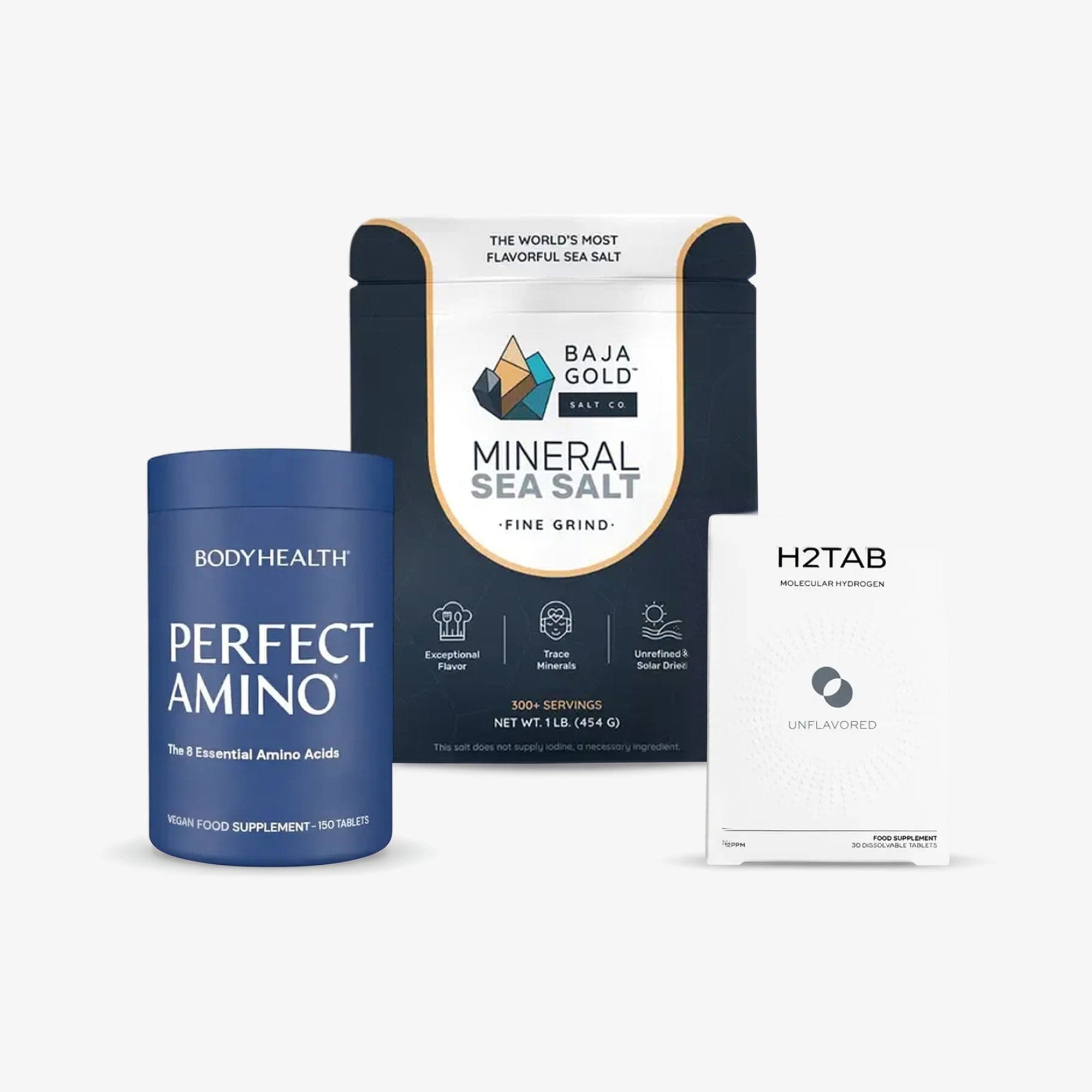
You already take all three. You're probably using the wrong form of each.
Amino acids, electrolytes, an antioxidant — you cover them. The question is whether the form you use actually gets used.
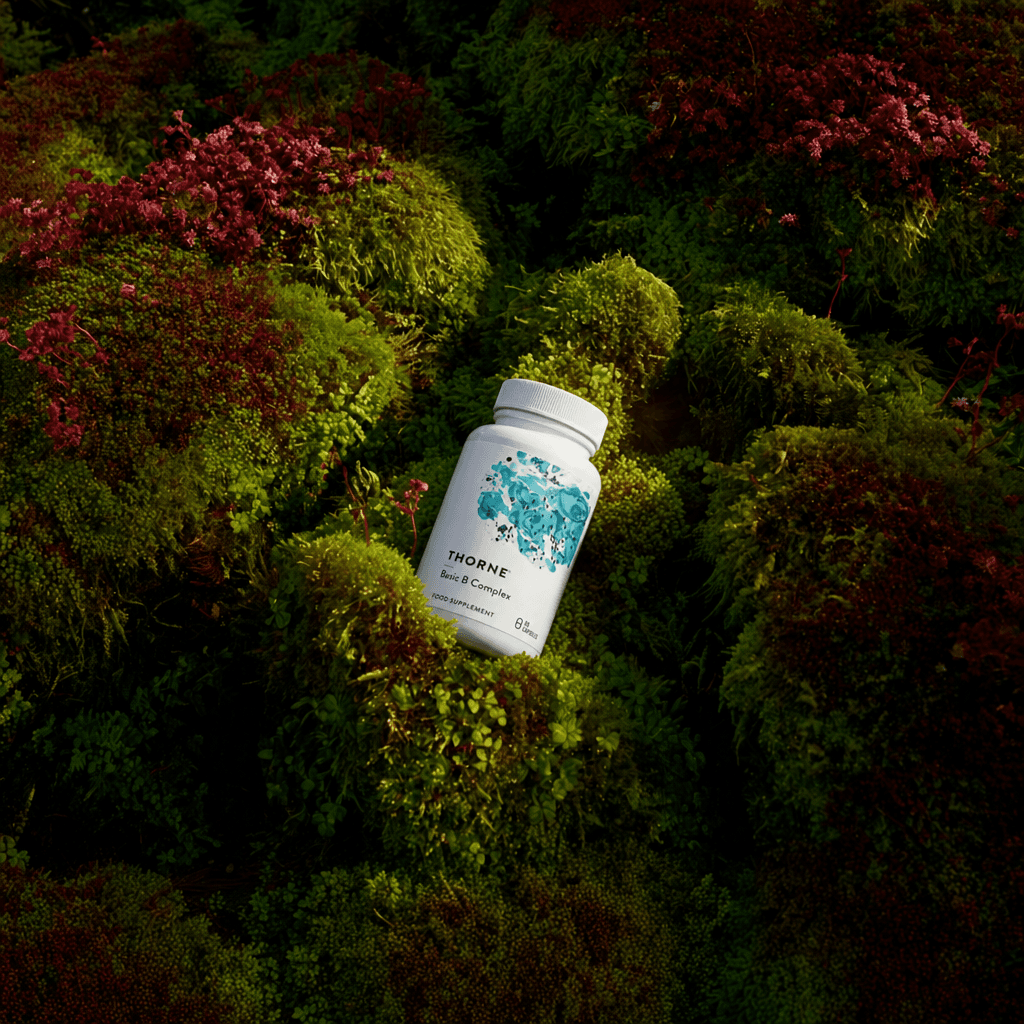
You don't have an energy problem. You have a conversion problem.
The B vitamin question most people get wrong — and why "active forms" actually matter.

Creatine For Women: What To Know Before You Start
Experts explain the benefits of creatine for women, including better mood, more strength, and less fatigue. Here's the science.