
What Is Peptide Therapy? Everything To Know
Peptide therapy has become hugely popular among biohackers and health conscious people. Here's what the therapy entails, and what to know before starting.

Peptide therapy has exploded in popularity recently in the world of anti-ageing, fitness and medicine. The therapeutic process can provide your body with powerful tools to improve overall health and physical performance. And it's not all injections and pseudoscience. Let's dive into what exactly peptide therapy is and how it works.
What are peptides?
Peptides are short chains of amino acids, the building blocks of protein. These chains are between two and fifty amino acids and form molecules that interact with our cells, telling them how to function. Peptides are essential to hormone regulation, immune function, metabolism and cell repair.
Peptides are naturally found in the human body and in foods we eat every day, but they can also be made in laboratories. Synthetic peptides are made to enhance the naturally occurring peptides in our bodies, and can be targeted for specific therapeutic purposes.
How does peptide therapy work?
Specific peptides are used to regulate and enhance various biological functions our body already performs. Peptide therapy is typically administered via subcutaneous injection, but is also available in oral, topical, or nasal spray forms. Once in the body, the supplemental, targeted peptides interact with receptors all over the body to trigger specific responses such as repairing damaged tissues, enhancing cellular communication or enhanced hormone production.
Some peptide therapies are better researched and proven than others, but it's generally considered to be safe when overseen and administered by a medical professional.
What are the benefits of peptide therapy?
Depending on the type of peptide used, there can be a wide range of potential benefits.
Peptides such as AOD-9604 and CJC-1295 are commonly used to boost metabolism, enhance fat loss and increase lean muscle mass. They work by accelerating the breakdown of fat and enhancing energy expenditure.
Collagen peptides and growth hormones are used to help with skin elasticity, thus reducing wrinkles and promoting hair growth. They also increase overall vitality by stimulating the body’s natural growth hormone production.
Peptides BPC-157 and TB-500 are commonly used by athletes to enhance muscle recovery, improve endurance, and reduce inflammation. They help with repairing ligaments and muscle tissue, helping athletes recover faster from training or an injury.
Peptides such as Selank and Dihexa are used to enhance cognitive function. They may help with memory, focus and brain health overall. They are being studied as a possible treatment for Alzheimer's disease.
The peptide Thymosin Alpha-1 has been shown to support immune function in some studies. It also seems to help ward off infections and may even be useful at supporting autoimmune diseases.
What are the types of peptides used in therapy?
There are a lot of different peptides each with their unique function. The most commonly used ones are:
- Growth Hormone Releasing Peptides (GHRPs): Used for tissue repair, fat loss and muscle growth due to the stimulating effect they have on our own natural growth hormone.
- BPC-157: Particularly beneficial for ligaments, tendons and the gut lining.
- Thymosin Beta-4 (TB-500): Accelerates wound healing and reduces inflammation in the body.
- **Melanotan II:**Protects the skin against UV radiation as well as accelerating skin tanning.
- CJC-1295: Improves muscle mass and recovery whilst stimulating growth hormone secretion.
Is peptide therapy safe?
Peptide therapy is generally considered safe when prescribed and monitored by a qualified healthcare professional. However, like most medical treatments there can be side effects such as irritation at the injection site, fatigue or nausea. It is important to undergo therapy with a licensed professional who will be able to monitor the correct dosing and therefore minimise the risks and side effects.
Peptide therapy is a good option for a wide variety of individuals looking to:
- Enhance athletic performance
- Combat signs of ageing
- Accelerate injury recovery time.
- Improve immune function
- Address Chronic Inflammation or Hormonal imbalances.
New research is looking at peptide therapy use in cancer treatment, cardiovascular health, and mental health disorders.
Whether you are looking at slowing down the ageing process or seeking to enhance your physical performance, peptides offer a personalised solution. As always consult with a medical professional when embarking on any new treatment as it is very important to get the correct dosing to ensure safety and efficacy.
Further reading: GLP-1 Medications - Are There Natural Alternatives?
Further reading: Best NAD Supplement: What To Know Before You Buy
Further reading: Is Methylation The Key To Good Health?
Further reading: Understanding Mitochondrial Replacement Therapy
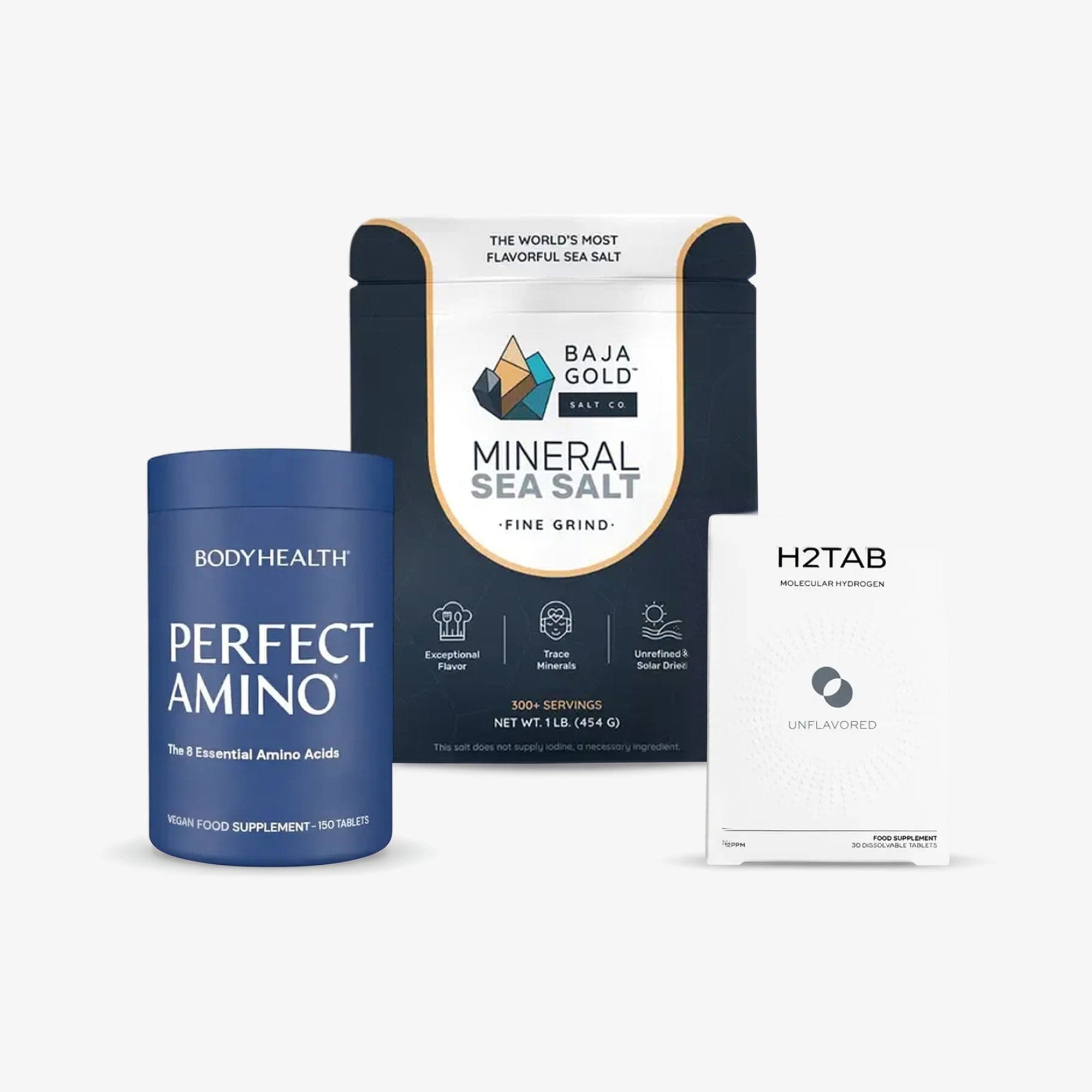
You already take all three. You're probably using the wrong form of each.
Amino acids, electrolytes, an antioxidant — you cover them. The question is whether the form you use actually gets used.

You don't have an energy problem. You have a conversion problem.
The B vitamin question most people get wrong — and why "active forms" actually matter.

Creatine For Women: What To Know Before You Start
Experts explain the benefits of creatine for women, including better mood, more strength, and less fatigue. Here's the science.