Light Therapy Helmets: The Bright Future Of Beauty… And Brain Power
Discover how red and near-infrared light therapy could support both beauty goals and brain health. Expert insights from Lauren Sharples explain the science, benefits and safe use of photobiomodulation at home and in clinics.
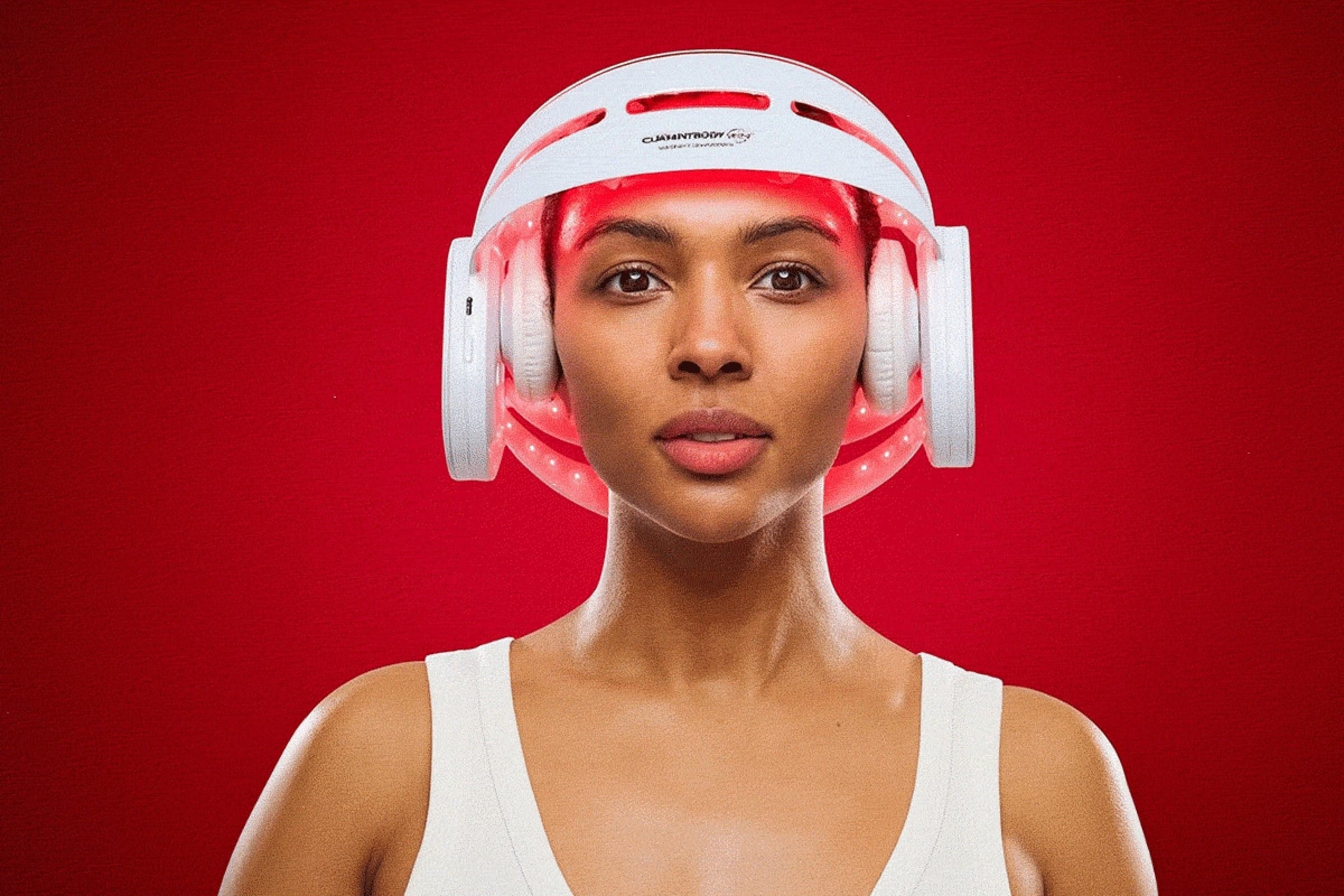
For years, red light therapy has been a staple in beauty clinics and at home with devices celebrated for their ability to improve skin tone, boost collagen and support hair growth. But now, the same technology is being reimagined for something deeper… optimising the brain. A quick scroll online will show people wearing futuristic helmets glowing with red and near-infrared light, promising sharper focus, enhanced memory, calmer moods and even potential protection against cognitive decline.
The science behind these claims lies in photobiomodulation (PBM) - a therapeutic process that uses specific wavelengths of light to power up your cells. It’s far from a passing trend though as PBM studies have been traced back since the 1960s.
Across wellness circles, light therapy has evolved from a niche skincare tool into a full-spectrum health technology. While its beauty and aesthetic benefits are well-documented, researchers and practitioners are now investigating its potential to support brain health, cognitive performance and mood. To separate the facts from the hype, we spoke to Lauren Sharples, founder of Optiminds Brain Training. With over a decade of experience using neurofeedback, brain mapping and photobiomodulation to enhance brain function and wellbeing, Lauren sheds some necessary light.
What exactly is photobiomodulation (PBM)?
“Photobiomodulation (PBM) describes how specific wavelengths of light interact with our cells,” says Lauren. “Similarly to how plants absorb light from the sun to convert into energy through photosynthesis, your cells can absorb light energy (photons) to enhance mitochondrial function… the tiny ‘power stations’ that fuel every cell. Imagine a light that speeds up healing - that’s the promise of photobiomodulation,” Lauren adds.
This process is safe, non-invasive, and has been studied since the 1960s. Its first major discovery is credited to Hungarian physician Endre Mester, who accidentally found that low-level laser light could stimulate healing and hair growth in mice… sparking the field of photobiomodulation. Decades later, NASA began exploring similar light-based therapies in the 1990s and 2000s to support astronaut health and tissue repair in space, building on Mester’s early insights into how light interacts with cells.
“It works by using gentle wavelengths of light to stimulate and repair cells, helping the body heal naturally. When this light is absorbed by our cells, it boosts the activity of the mitochondria. This can lead to more efficient energy production (ATP), reduced inflammation, less oxidative stress, and even improved blood flow in the brain. In short, PBM helps the body do what it’s designed to do… just more effectively,” she adds.
Lauren highlights the differences between wavelengths:
This mainly affects surface tissues, such as the skin, encouraging collagen production, repair and circulation.
This penetrates deeper, reaching muscles, nerves, and even parts of the brain, where it can help neurons function more efficiently.”
“Photobiomodulation has revolutionised skincare, from fading scars to reducing the appearance of wrinkles, by turbocharging the body’s natural cell repair. Today, advances in technology let us take this light therapy further… straight to the brain in fact. It offers exciting potential to sharpen focus, boost memory and lift mood,” she notes.
The science: What’s happening inside your cells
Lauren goes on to outline the cellular mechanisms of PBM. “The magic happens in the mitochondria - AKA the energy-producing ‘power stations’ of our cells. Light therapy supports cellular function in several ways:
- ATP production: Low-level red to near-infrared light is absorbed by mitochondria, increasing the production of adenosine triphosphate (ATP) - the molecule that powers nearly every process in the body. More ATP means cells can perform at their best, from neurons firing efficiently to skin cells repairing damage.”
- Reactive oxygen species (ROS) for signalling: This process creates mild oxidants known as ROS, which act as essential cell signalling molecules. ROS can trigger gene transcription, repair processes and healing which all help cells communicate and regenerate.
- Nitric oxide (NO) release: Light therapy helps dislodge nitric oxide from mitochondria. Nitric oxide plays a vital role in cell communication and blood vessel dilation, improving oxygen and nutrient delivery to tissues - including the brain. Better blood flow supports neuronal health, cognitive function, and overall cellular vitality.”
- Neuronal effects: In the brain, NIR light is absorbed by cytochrome c oxidase (an enzyme in mitochondria) starting a cascade of reactions that enhance neuronal energy, reduce inflammation and support neuroplasticity.
“In simple terms, light therapy gives cells a metabolic boost by helping neurons, skin cells and other tissues repair, regenerate and communicate more effectively. This is why both brain and skin PBM can deliver noticeable improvements in function and appearance over time,” concludes Lauren.
The many different benefits
Light-therapy helmets are certainly generating buzz, but do they really work? “At Optiminds, the answer is cautiously optimistic,” says Lauren. “The research so far is encouraging, especially for those with dementia, traumatic brain injury or depression. Evidence suggests near-infrared light can invigorate neurons, improve circulation in the brain and reduce inflammation, supporting memory, focus and mood.”
She cautions that for healthy adults, PBM should be treated as “a smart supplement to a holistic brain wellness routine, rather than a quick fix.”
On skin and hair, Lauren adds: “Red and near-infrared light are often confused, but they work quite differently in the body. Red light (620-740nm) sits in the visible spectrum and primarily targets surface tissues, making it ideal for skin. It can improve texture, tone, and collagen production, support scar healing, and enhance circulation. Near-infrared light (700-1000 nm) penetrates deeper, reaching muscles, nerves, and even parts of the brain. This deeper penetration allows it to support cellular energy, circulation, and neuronal function.”
Research into PBM for Alzheimer’s and Parkinson’s is still early-stage but promising. “Because Alzheimer’s and Parkinson’s involve inflammation and impaired energy metabolism, researchers are exploring whether light therapy can help cells function better to slow down cognitive decline. While PBM is not a cure, it may serve as a powerful, supportive ally alongside conventional treatments, offering new hope for slowing down cognitive decline,” explains Lauren. Other benefits Lauren highlights include enhanced focus, improved memory, elevated mood and skin rejuvenation.
How to use it (and who it’s for)
Lauren explains: “Light therapy can be safe at home or in clinics, depending on your goals. For brain-specific PBM, clinical supervision can help ensure the right wavelength, intensity and session duration - especially for those with cognitive concerns or neurological conditions. At home, helmets can be convenient for ongoing maintenance and wellness, but it’s important to follow guidance and safety protocols. When it comes to skin and aesthetic use, many of these devices are designed for safe daily use, helping improve collagen production, skin tone and hair growth. Clinical treatments however, may use higher-power systems for faster or more targeted results,” she adds.
What about frequency? “Like with most things, consistency really matters,” says Lauren. “A general guideline is 10-20 minutes per session, 3-5 times per week, though device type, wavelength and goals will influence this.
Hype, myths and red flags
Lauren warns: “Not all light-therapy devices are created equal. Watch out for bold claims that a device can cure things (like Alzheimer’s, Parkinson’s or depression). Other things like promises of instant cognitive boosts or wrinkle removal, vague or missing information on wavelengths, intensity and lack of clinical evidence are other things to be mindful of. Reliable light therapy delivers gradual, cumulative benefits, so we recommend choosing devices backed by research and using them as a supportive tool and not a magic fix.”
The bright future of light therapy
“Light therapy for brain and skin health is no longer science fiction… it’s becoming a part of everyday wellness,” says Lauren. At Optiminds, we’ve witnessed a huge surge in interest for home-based brain ‘hacking’ devices that people can use while reading, relaxing in the garden, or simply enjoying a quiet moment which is a sign that biohacking is entering mainstream daily life. Meanwhile, red and near-infrared LED therapies for the skin are empowering people to rejuvenate, restore and glow from the comfort of their own home. With research unlocking new possibilities and technology making it accessible, light therapy is poised to become a transformative force in personal health, turning ordinary routines into moments of brain-boosting and body-revitalising magic.”
Light therapy buyer’s guide: Everything you need to know
If you’re considering a red light-therapy helmet to support brain health, focus or mood, Lauren says it’s essential to choose wisely. Here are some top tips:
- Wavelengths that match your goals. Look for devices that emit near-infrared (NIR) light around 810–1070 nm, as this range has been shown to penetrate the skull and stimulate brain cells effectively.
- Sufficient light intensity. Ensure the helmet provides adequate irradiance (measured in mW/cm²) to deliver therapeutic doses.
- Safety certifications: Look for transparency around testing, FDA/CE marks and medical-grade testing where applicable.
- Brand transparency: Choose brands that provide clear information about their device specifications, clinical studies and customer support. This transparency builds trust and ensures you’re making an informed decision.
“At Optiminds, we also encourage our clients to prioritise safety, evidence and brand reputation over hype. And if in doubt, find an informed professional who can support you in your decision making.”
Final thoughts
Lauren sums it up: “Photobiomodulation helps the body do what it’s designed to do… just more effectively. With consistent use and evidence-backed devices, it can become a transformative part of your daily wellness routine.” PBM offers a science-backed way to support cellular health, improve cognitive function, enhance mood and rejuvenate the skin. While it’s not a miracle cure, when used thoughtfully and consistently, light therapy can be a powerful tool in modern wellness.
Further reading: Red Light Therapy And Your Circadian Rhythm: Morning VS Evening Use
Further reading: The Best Red Light Therapy Devices We Actually Rate
Further reading: Our Review Of The HigherDOSE Red Light Mask
Further reading: Light Medicine: How Red Light Therapy Is Changing The Way We Heal
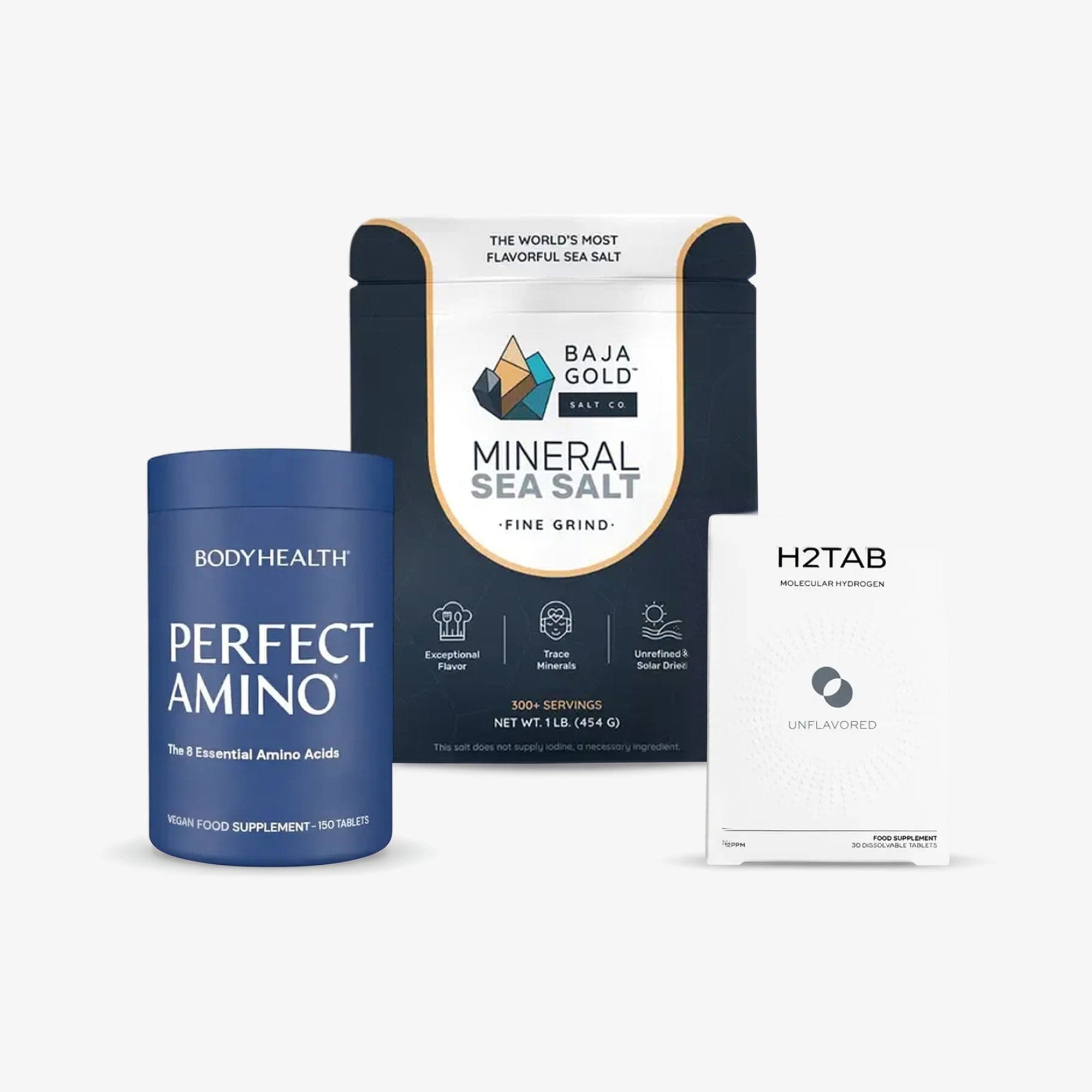
You already take all three. You're probably using the wrong form of each.
Amino acids, electrolytes, an antioxidant — you cover them. The question is whether the form you use actually gets used.
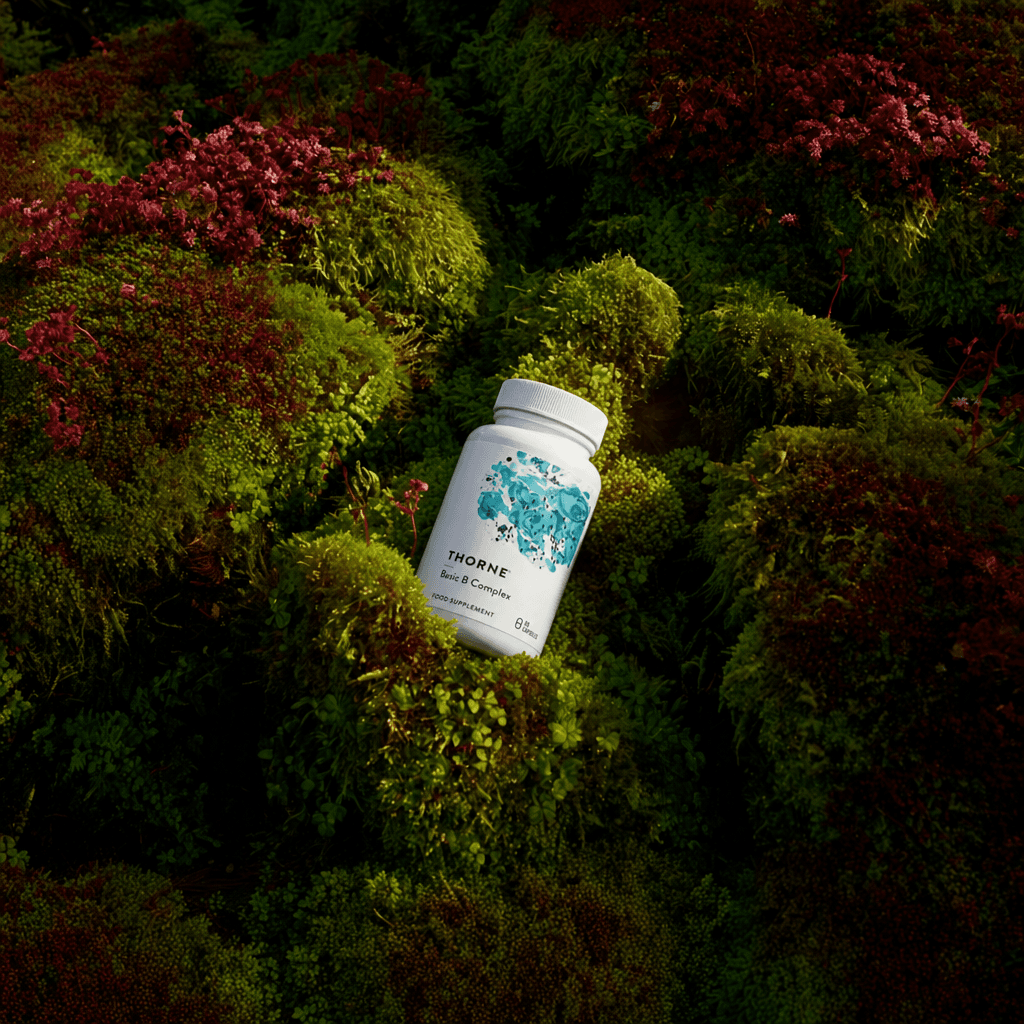
You don't have an energy problem. You have a conversion problem.
The B vitamin question most people get wrong — and why "active forms" actually matter.
Creatine For Women: What To Know Before You Start
Experts explain the benefits of creatine for women, including better mood, more strength, and less fatigue. Here's the science.