
Healf Guide: Updating Your Supplement Stack
There are so many different kinds of supplements to choose from. Here's how to know which ones to go for and what they can do for you.
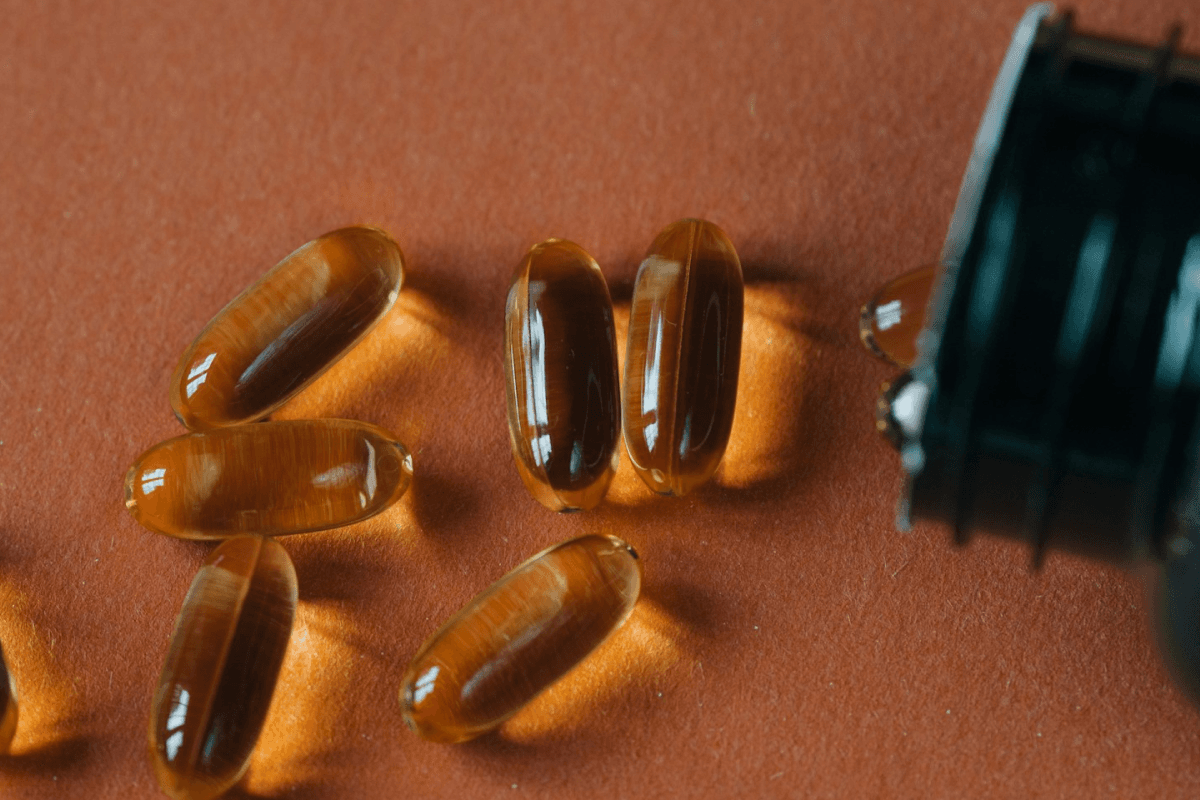
From Boots and Superdrug to bespoke health stores, online shops and celebrity brands, supplements are everywhere. With a growing market worth £102.33 billion and set to grow to £110.65 billion by 2028, how do you choose wisely and spend your money on something that will actually give you a return on your investment?
First, let's be clear about what a supplement is. The name itself is a giveaway. A supplement is something that quite literally supplements our diet. The food we eat should always come first in our health care and daily routine. However, sometimes food isn’t enough, and we need a little help hitting recommended nutrient targets, whether that's vitamin D during a long, cold winter, protein, or collagen.
Do we need nutritional supplements ?
Supplements can play a crucial role in supporting the health and wellbeing of many individuals. Some health conditions benefit from additional nutrients that would be challenging to achieve from diet alone, and recovery from health conditions may require replenishing specific nutrients. Supplements can help us achieve adequate levels of nutrients (like low vitamin D and iron), more quickly than natural sources, such as the sun and red meat. Medications can also deplete essential nutrients or prevent the endogenous production of vital antioxidants, such as certain diuretics, statins, antidepressants and oral contraceptive pills.
In the UK, where approximately 60% of the population consumes a diet high in ultra-processed foods, nutrient intake is often limited, making it challenging to achieve optimal nutrition solely through diet. Furthermore, modern agricultural practices have led to soil depletion, significantly reducing the nutrient content of food. In Europe and the UK, selenium levels are particularly low due to the acidity of the soils, and magnesium levels have also dropped dramatically.
While a high-quality diet should always be the foundation of good health, supplements can provide a necessary boost, compensating for dietary gaps and helping individuals achieve better health outcomes.
What kinds of supplements are out there?
There are so many different kinds of supplements to choose from that all serve a different purpose. Remember, most of these you already get through your daily diet and lifestyle, but if you're low on one, it might affect your overall health.
Some of the most common supplements people take include:
- Vitamin D: important for bone health and boosting immunity especially during the winter
- Omega-3 fatty acids: boosts heart health and brain function while lowering inflammation
- Magnesium: supports energy, nerve function, and relaxation
- Vitamin C: strengthens immune system and supports collagen production
- Iron: helps oxygen move through the body and supports red blood cells
- **Calcium:**alongside vitamin D, calcium helps protect and build your bones and teeth
- **Zinc:**promotes cell growth and helps your immune system
- Vitamin B12: especially important for those on a low meat or plant-based diet, this supplement helps support blood cell development, brain function, and stablises energy levels
Which supplements should you choose?
The options feel endless. Supplements used to come was in tablet, capsule, or liquid form. But now we have all sorts of options, from sublingual sprays, to gummies, effervescents, patches, and even injectables.
You’ve also got to decide if you choose food form, liposomal, methylated or unmethylated, herbal, natural, or synthetic. It can be very confusing, and it’s easy to spend money on a lot of things that don't do very much, especially when there are so many false or unverified claims about products' health benefits flying around.
One thing that can really help? Working with a registered nutritional therapist so that you have qualified advice on which supplement forms and doses are best for you and your individual health needs.
Let’s clarify a few terms so you can check what’s already in your cupboard.
Liposomal supplements
These refer to the delivery system of the supp, which in this case, means it encapsulates active ingredients within lipid bilayer vesicles called liposomes. This structure can enhance bioavailability (or absorption), ensuring more of the nutrient reaches the bloodstream. Liposomes can easily fuse with cell membranes, allowing for direct transfer of nutrients into cells, thereby increasing how well the supplement works. As an added bonus, the encapsulation can reduce gastrointestinal irritation.
Methylated vitamins
Methylated vitaminscan offer a significant advantage over unmethylated forms, particularly for individuals with specific genetic variations that affect nutrient metabolism. Methylated vitamins, such as methylfolate (a form of folate) and methylcobalamin (a form of vitamin B12), are already in their active forms, meaning the body can use them immediately without requiring additional conversion processes.
By taking these nutrients in their methylated forms, they may be more bioavailable and effective. However, if you don’t have any genetic challenges, you may not need to spend the additional money and - as with all supplements - too much of a good thing isn’t a good thing. There is a concern as to the potential to ‘over-methylate’.
Food-form supplements
Food-form supplements are dietary supplements made from whole foods or concentrates derived from whole foods. They aim to provide nutrients in a form that closely resembles their natural state and tend to be free from synthetic additives, preservatives, and artificial colours.
These supplements may be able to offer improved bioavailability, as the nutrients come with co-factors and phytonutrients that enhance their absorption and effectiveness, meaning you could, hypothetically, take lower doses can than you would with ‘synthetic’ supplements. However, the research on this is still developing.
Herbal supplements and multivitamins
These two serve distinct purposes. Herbal supplements are derived from plants or botanical sources and often contain concentrated extracts of specific herbs or herbal combinations known for their therapeutic properties. These supplements may target various health concerns such as immune support, stress relief, or digestive health, relying on the bioactive compounds present in plants.
In contrast, multivitamins (or multi-nutrients if they also contain minerals, antioxidants and other compounds) are comprehensive formulations designed to provide a broad spectrum of essential vitamins and minerals that may be lacking in a typical diet. While both herbal supplements and multivitamins contribute to nutritional supplementation, their formulations and intended uses differ, with herbal supplements emphasising plant-based remedies and multivitamins focusing on essential nutrients essential for general health maintenance.
To supplement or not to supplement?
We circle back to the all-important question… how (and if) you should add supplements to your diet.
Of course, there are circumstances where you might have a health condition or take specific medications that deplete certain nutrients or increase the need for other ones; in these circumstances, foods may not be able to cover all your bases.
However, the best thing to do is work with a registered nutritional therapist who can support you in testing your current nutrient levels, assessing your health needs, and supplementing with the correct dose and form to ensure you’re not wasting your money and you do feel the benefits.
Further reading: How To Read A Supplement Label Like A Nutritionist
Further reading: Pill Fatigue: Why Is Everyone Now Wearing Their Supplements?
Further reading: Do Collagen Supplements Work?
Further reading: What Supplements Should I Take?

A Runner’s Guide To Energy Gels: Timing, Tolerance And Top Picks
Healf's ultimate guide to energy gels for runners, including our top picks and favourite tips.

Should We Be Exercising Our Brain?
Brain training can be a transformative tool with applications across mental health, productivity, and even healthy ageing. Here's how to do it.

Is 5g Of Creatine Really Enough?
For decades 5g a day was the gold-standard for creatine. But new research is suggesting you need more for brain health, sleep, and mental recovery.