
Why Is Everyone Drinking Warm Water?
Drinking warm water as a morning ritual has been trending on social media. Here’s what experts said about the health and wellbeing benefits of this ancient eastern medicinal practise.
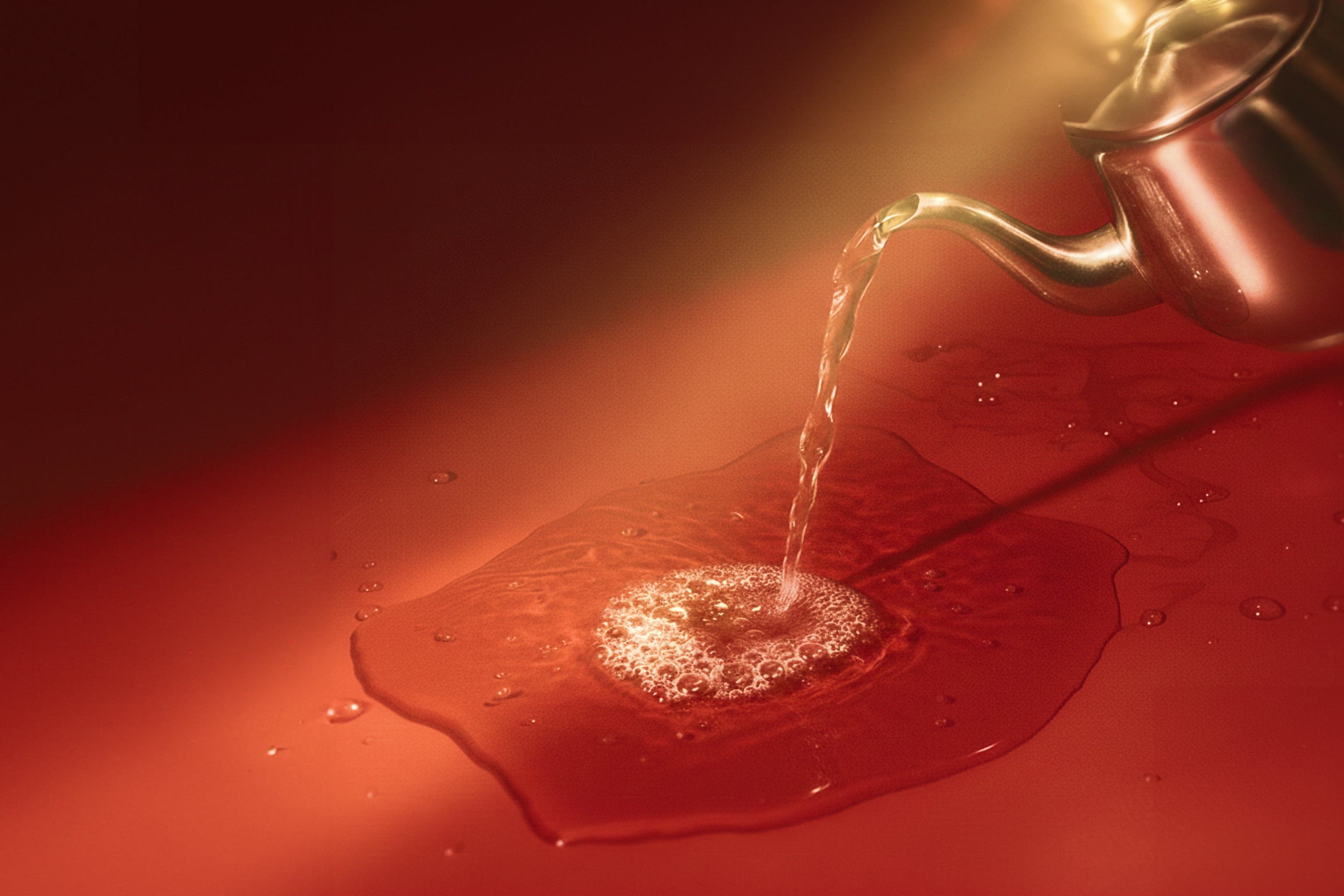
All over social media, influencers are touting the life-changing wellbeing benefits of a new morning ritual: downing a steaming mug of water. But the trending health hack is hardly new.
“Eastern traditions have used warm or hot water for thousands of years, especially first thing in the morning, to ‘wake up’ the digestive system, support circulation, and create a sense of internal balance,” explains Veronika Larisova, a nutritionist, exercise physiologist, and co-founder of Chief Nutrition. “Modern research is still catching up, but there is some physiological logic behind the ritual.”
In fact, there’s plenty of science to back up the claims. Here’s what the experts said:
What are the health benefits?
Katie Brindle, a Chinese medicine practitioner, is a big proponent of the morning ritual. “In Chinese Medicine, the secret to good health is rooted in your circulation, the smooth movement of energy—known as ‘qi’—and blood throughout the body,” she says, adding that the water’s temperature supports this flow.
“Warmth encourages openness and movement, helping the body stay relaxed rather than contracted, which is why we so often instinctively reach for something warm when we’re in pain, run down or uncomfortable,” she says.
Warm water can be especially good for digestion, says Uta Boellinger, a nutritionist and women’s health expert. “Several studies suggest that warm or hot liquids can stimulate gastric contractions and speed up gastric emptying compared to cold water,” she says, pointing to a study which found that drinking warm water (37–60°C) sped up digestion and reduced bloating compared to cold water.
Warm water can promote relaxation by triggering mild vasodilation and increasing skin temperature, which are associated with parasympathetic (“rest and digest”) nervous system activity, says Boellinger—findings backed by an older study, which found that warm fluids positively influenced stress-related physiological markers compared to caffeinated drinks.
Research also shows people may consume more fluids when they’re warm, especially in the morning, supporting hydration, says Boellinger.
Does tea or coffee count?
While coffee and tea are water-based, caffeine and sweeteners shift the drink’s chemical profile. “By adding milk or sugar, you've added a metabolic job for your liver and stomach. I find that pure water is still the best tool for cleansing,” says Maria Knöbel, MD, medical director and co-founder of Medical Cert UK.
It’s also essential to make sure you’re not overdoing it on caffeine. “Tea and coffee tend to deceive us into believing that we are getting our daily dose of hydration, but it isn’t necessarily so,” says Dr. Knöbel.
What’s the best time to drink warm water?
A morning ritual that involves a warm water beverage might be the key to feeling good throughout the day, per traditional eastern medicine.
Chinese medicine dictates the body is governed by a 24-hour “Organ Clock” cycle that links two-hour periods to a specific organ’s peak periods, Brindle explains. “The small intestine is believed to be most active between 5 a.m. to 7 a.m., so drinking warm water at this time can help flush out toxins that have accumulated overnight and gently wake up the digestive system in preparation for breakfast.”
Knöbel adds that this ritual activates the gastrocolic reflex, causing your colon to empty waste. “I have seen the greatest transformation when patients are committed to having 500ml glass before the first coffee.”
While there is no “magic window,” Boellinger says that drinking warm water between meals can help support hydration without interfering with digestion. In the evening, it can potentially promote relaxation. “Warm water isn’t a miracle cure, but it’s a low-risk habit that may support digestion, hydration consistency, and nervous system balance,” she says, “particularly if it replaces sugary drinks or excessive caffeine.”
Further reading: What Is Your Water Quality Doing For Your Health?
Further reading: Tap Water: Can We Trust It, Or Should We Filter It?
Further reading: Unveiling Hydrogen Water: Benefits, Science, And Cynicism
Further reading: The Long-Term Benefits Of Hydration
Editorial note: this article is for informational purposes only and is not a substitute for professional medical advice.

You already take all three. You're probably using the wrong form of each.
Amino acids, electrolytes, an antioxidant — you cover them. The question is whether the form you use actually gets used.
You don't have an energy problem. You have a conversion problem.
The B vitamin question most people get wrong — and why "active forms" actually matter.

Creatine For Women: What To Know Before You Start
Experts explain the benefits of creatine for women, including better mood, more strength, and less fatigue. Here's the science.