
Cold Plunges Are Not For Everyone, Here’s Why
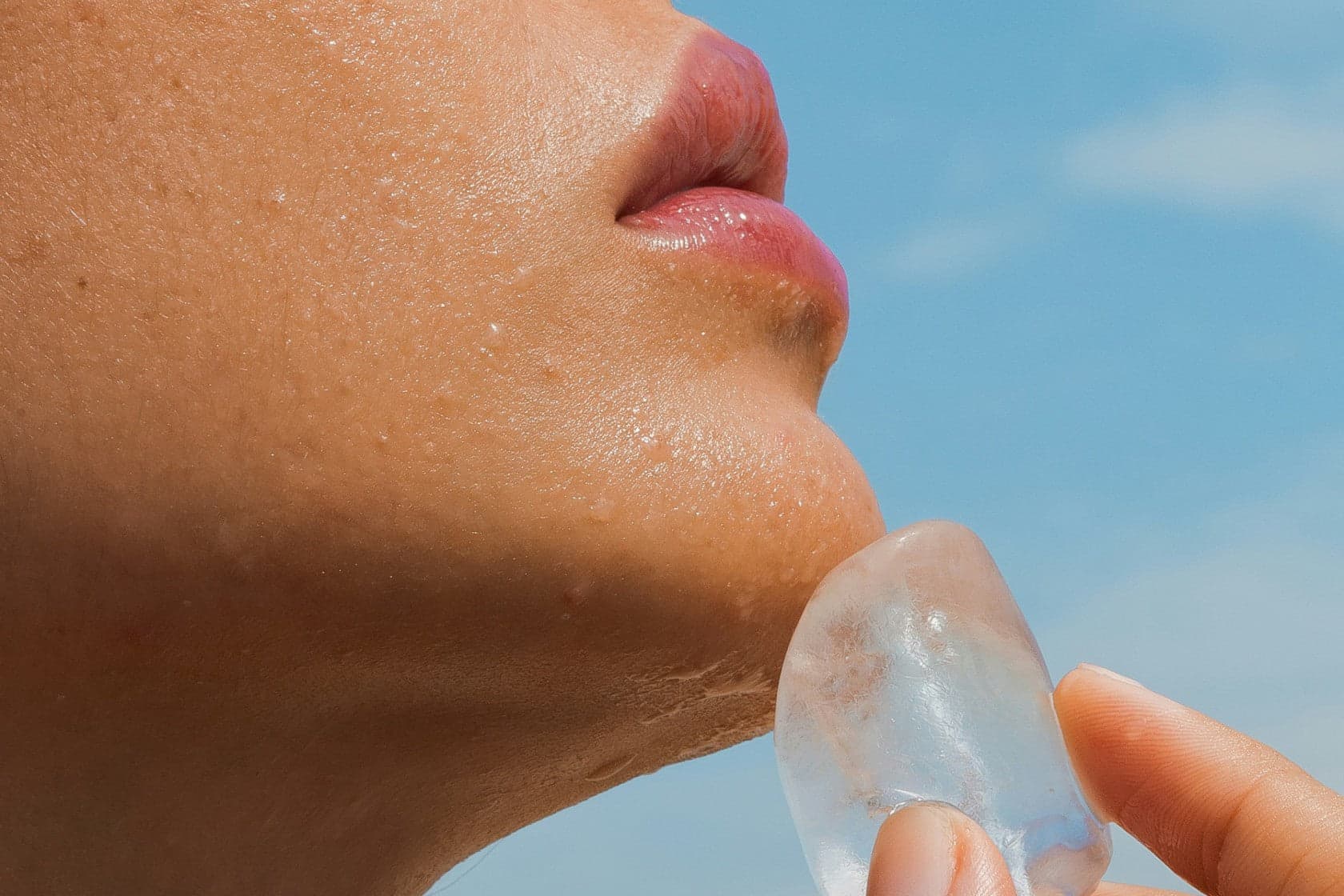
Cold plunges have become omnipresent in wellbeing culture, promising sharper focus, improved mood and faster recovery. However, the science is suggesting that cold immersion is not suitable for everyone, and may even pose significant risks.
What happens when you plunge into cold water
When the body is immersed in cold water, a powerful survival reaction occurs. To start, breathing quickens, the heart rate spikes and then blood pressure may rise sharply. It's what’s known as the cold shock response.
For certain populations, it may feel uncomfortable, yet manageable. For those with heart conditions or high blood pressure, the sudden cardiovascular stress can be extremely dangerous. Therefore, it is advisable to avoid plunging if you have a history of heart disease or circulation issues. Experts also warn about the dangers of cold exposure for women.
Also, with all the conflicting information out there on social media, how do we know what is actually safe and what isn’t when it comes to cold?
Hypothermia and cooling too fast
Water strips heat from the body much more quickly than air; it’s why it is a preferred method for cold therapies.
However, if immersion is prolonged, core temperature can fall to critical levels, leading to hypothermia. Symptoms include shivering, confusion and even loss of consciousness in severe cases.
Therefore, time spent in cold water and the chosen temperature matter far more than most social media clips may suggest. It is always best to prioritise safety, rather than just diving in.
Cold plunges and exercise recovery
Cold water is mainly portrayed as a way to recover after training, but the evidence is pretty mixed.
While cold water immersion may reduce feelings of soreness, several studies have shown that plunging immediately after resistance training can blunt muscle growth by reducing protein synthesis. This means the strength and size gains you work for may be reduced.
As such, Huberman recommends separating deliberate cold exposure from hypertrophy training. This is because, in his opinion, deliberate cold exposure, like submersion up to the neck, can “inhibit strength and hypertrophy gains if done within 8 hours after resistance training”. “It's recommended to avoid cold exposure on the same day as strength training aimed at building muscle size and strength, unless it's done several hours before the workout”, he says.
Who should avoid cold plunging
Cold immersion is not recommended for certain groups. These include:
- **People with cardiovascular disease:**Cold water exposure can cause a sudden spike in heart rate and blood pressure, which can be dangerous for people with existing heart conditions.
- **Those with uncontrolled diabetes:**Diabetes can affect blood circulation, making people more susceptible to the negative effects of cold exposure.
- Those with thyroid problems: Individuals with thyroid issues may have increased sensitivity to cold due to hormonal imbalances.
- People with Raynaud’s syndrome: This condition causes blood vessels to constrict in cold temperatures, leading to pain and discoloration in the hands and feet, so cold immersion could worsen these symptoms.
- People under significant ongoing stress or poor recovery: Cold exposure adds sympathetic load and, in certain cases, may be counterproductive until stress and sleep improve.
Furthermore, certain medications such as beta blockers, thyroid treatments and hormonal therapies can also change how the body responds to cold.
**Please note:**Consulting a healthcare provider is strongly advised before starting any cold exposure treatment.
Hormonal influences on women
Cold exposure elevates cortisol and adrenaline. In women, this could suppress progesterone during the luteal phase, which may worsen issues such as PMS symptoms. We are only beginning to understand the effects of cold exposure on women in scientific research.
A 2014 study published in Cryobiology showed that men and women respond differently to cold immersion. Interestingly, men experienced stronger spikes in adrenaline, while women actually demonstrated a more effective insulative response. That said, it could be taken that the response observed in women may be linked to a mechanism by which their bodies aim to protect hormones when dealing with cold temperatures.
In addition, it is worth considering that, in general, women lose heat from extremities more quickly and have colder extremities than men because they experience less blood flow. To be more specific, women may exhaust what’s known as maximal cutaneous vasoconstrictor capacity sooner. It means that women’s bodies may reach the limit of how much they can narrow skin blood vessels earlier than men do. Once that limit is reached, they can’t constrict any further to conserve heat, which may contribute to a faster cooling rate in women during cold exposure.
Another small study found that cold water therapy reduced negative feelings and lowered cortisol levels in both sexes. However, one common concern about cold-water exposure and women’s hormones is based on the assumption that it raises cortisol, which in turn could suppress progesterone. Even individual spikes in cortisol can lead to lower progesterone levels, primarily because progesterone is a precursor to cortisol.
Together, these findings highlight the complexity of the issue of whether cold therapies should be recommended to women or not. Much research still does not appear to address sex-specific data as a blind spot, such as clear data on the timings of cold water therapy relating to menstrual cycle changes.
How to make cold exposure safer
Huberman says to start gradually, beginning with slightly cooler water and building up over time. Never get into unsafe bodies of water and never combine immersion with deliberate hyperventilation.
The key is to find a point where you think, “This is really cold and I want to get out, but I can safely stay in.” For some people, that may be about 60 degrees Fahrenheit (around 15.5 degrees Celsius), while for others it may be closer to 45 degrees Fahrenheit (around 7 degrees Celsius).
The colder the water, the less time you need to spend in it. Just 20 seconds in very cold water can trigger powerful effects, while slightly longer sessions in milder temperatures can also be effective.
A solid protocol recommended by Huberman is around eleven minutes in total (in a week), spread across two to four sessions lasting one to five minutes each.
Huberman also highlights the Søeberg Principle, which recommends ending cold exposure without immediately warming up.
Allowing the body to reheat naturally and shiver can further enhance the metabolic effects by activating brown fat.
Timing makes a difference. Because body temperature rises after cold immersion, it is better to do it earlier in the day rather than in the late afternoon or evening, when it may disrupt sleep.
Finally, Huberman advises treating cold exposure like training. Begin with what feels manageable, progress gradually, and use the discomfort as an opportunity to build resilience in both body and mind.
Are there any alternatives to water immersion?
Cold therapy is not limited to plunging.
An emerging option is an ‘Ice Bath Without The Ice’, which offers what’s known as dry cold therapy. A kit known as the Zerobody Cryo contains 400 litres of water chilled to between 4 and 6 degrees behind a patented membrane less than 0.7mm thick. There’s no preparation required (meaning you can do it fully clothed).
The experience is described as calming, soothing and energising. Although currently found mostly in high-end spas and at a premium price, it may offer more accessible routes to cold therapy in future.
Tools and products to support recovery
Exploring cold exposure does not necessarily mean braving icy lakes or old school tin baths. The right products and supplements can create safer and more balanced routines.
- Monk Smart Ice Bath for the best available technology in temperature control
- Therabody RecoveryAir compression boots to support circulation and recovery without cold water
- Wild Nutrition Magnesium for nervous system regulation and relaxation post-immersion
- Ancient and Brave True Collagen to aid muscle repair alongside training
The bottom line
Cold plunges are strikingly popular, but they are not universally without risk.
For some, particularly those with cardiovascular conditions, diabetes, thyroid problems or chronic stress, the risks outweigh the benefits.
Women may also find that extreme cold immersion has more drawbacks than rewards, and that moderate temperatures are a better fit for physiology and hormonal balance.
And so, the safest path is to treat cold therapy as an adaptable practice, not to be too extreme, and to build it around your own health and recovery needs. Everyone is unique, with their own set of requirements and health histories to tell, so always do what is right for your individual needs, even if that means giving the cold immersion trend a swerve.
Find practical ways to restore balance, support your body after training and strengthen your wellbeing routine.
FAQ Section
No. Cold immersion can be risky for people with cardiovascular disease, uncontrolled diabetes, thyroid problems or Raynaud’s syndrome. It is also not recommended for those experiencing high stress levels or poor sleep, as it places additional strain on the nervous system. Women may be more affected by hormonal disruption during certain phases of the menstrual cycle, which is why a cautious and personalised approach is important.
The colder the water, the less time you need to remain in it. As little as 20 seconds in very cold water can trigger strong physiological effects, while one to three minutes in slightly warmer water is often sufficient. Research suggests that around eleven minutes per week, divided into several short sessions, is a safe and effective starting point.
There is no universal number because tolerance varies between individuals. The best guide is to choose a temperature that feels uncomfortably cold and makes you want to get out, but is still safe to stay in for a short period. For some, this may be around fifteen degrees Celsius, for others closer to seven.
Cold immersion can reduce muscle soreness and speed up the feeling of recovery. However, if you are training for strength and muscle growth, plunging immediately after resistance exercise may blunt those gains. A better strategy is to separate cold exposure from training by several hours, or reserve it for non-training days.
Cold immersion raises core body temperature afterwards, which can improve alertness. For that reason it is generally best done earlier in the day. Evening plunges can interfere with sleep in some people.
This approach suggests ending cold exposure without immediately warming up. Allowing the body to reheat naturally, even with shivering, can enhance metabolic benefits by activating brown fat. While it can feel uncomfortable, it strengthens the body’s adaptive response.
Yes. Cold therapy does not have to involve immersion. Dry cold methods, such as the Zerobody Cryo bed, allow you to lie on a chilled surface without entering the water. Compression boots and circulation tools can also support recovery without the same risks as cold plunging.
Emerging research shows men and women may respond differently to cold stress. Women tend to lose heat more quickly through extremities and hormonal fluctuations can alter the body’s response. For that reason, moderate temperatures and shorter sessions may be a safer choice.
Further reading: Waking Up Without An Alarm May Become The New Cold Plunge
Further reading: Can You Really Hack An Ice Bath Without The Ice?
Further reading: An Iced Tea Recipe To Tackle Hay Fever
Further reading: “I Did An Ice Bath Every Day For 2 Weeks And This Is How I Found It” - A First Person Account

You already take all three. You're probably using the wrong form of each.
Amino acids, electrolytes, an antioxidant — you cover them. The question is whether the form you use actually gets used.
You don't have an energy problem. You have a conversion problem.
The B vitamin question most people get wrong — and why "active forms" actually matter.
Creatine For Women: What To Know Before You Start
Experts explain the benefits of creatine for women, including better mood, more strength, and less fatigue. Here's the science.